What Conviction Looks Like in Practice: A Conversation with Adam Gordon of Wildflower
An MSRED student reflection on a recent Thought Leader lecture
By Jainil Shah
Adam Gordon does not talk about real estate the way most people do.
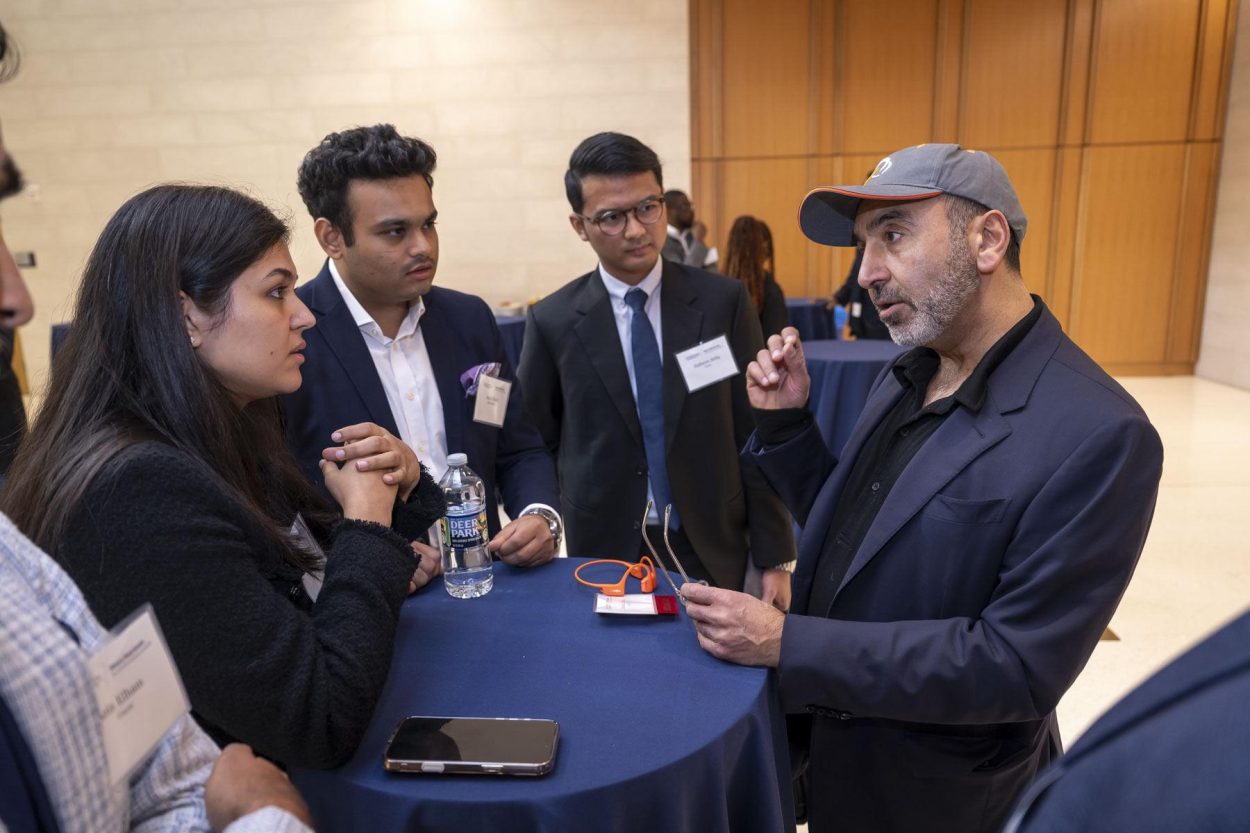
In both our podcast conversation at the MIT Center for Real Estate and his subsequent Thought Leader session with students, Adam returned repeatedly to a simple but demanding idea: before capital, before design, before execution, there must be real conviction. And conviction, in his view, is earned – not assumed.
At Wildflower, that conviction begins with demand. Not projected demand or modeled demand, but observed demand: how people live, work, gather, and move through cities. Adam spoke about spending time understanding these behaviors long before a site is underwritten, and about resisting the temptation to reverse-engineer narratives after capital is already committed. Development, as he framed it, is not about predicting the future perfectly, but about recognizing structural shifts early and committing to them thoughtfully.
How to approach uncertainty
“Strong leaders learn to distinguish between noise and signal, and to act decisively when their underlying thesis remains intact,”
Adam Gordon, Managing Partner, Wildflower
This philosophy carries through to how Wildflower approaches uncertainty. Adam is candid about the discomfort of making decisions without complete information, especially in volatile environments. Yet he emphasizes that the greatest risk often lies in waiting for clarity that never fully arrives.
“Strong leaders learn to distinguish between noise and signal, and to act decisively when their underlying thesis remains intact,” Adam suggests. Conviction, in this sense, is not stubbornness; it is disciplined judgment.
One of the most striking aspects of Adam’s perspective is how deeply design is embedded in Wildflower’s investment thinking.
“Design is not an aesthetic afterthought but a strategic lever,” he argues. Architecture shapes how assets function, how communities engage, and ultimately how value is sustained over time. In Wildflower’s work, design, capital, and operations are deliberately aligned, reinforcing a belief that enduring platforms are built through coherence rather than optimization of isolated parts.
Relationships and building trust
Adam also spoke at length about relationships, but not in the transactional way that this term is frequently used in real estate. Trust, in his view, is built slowly through consistency and small, intentional gestures. These gestures compound over time, creating partnerships that can withstand cycles and moments of stress. For students in the room, this reframing of relationship-building as a long-game grounded in behavior rather than charisma was particularly resonant.
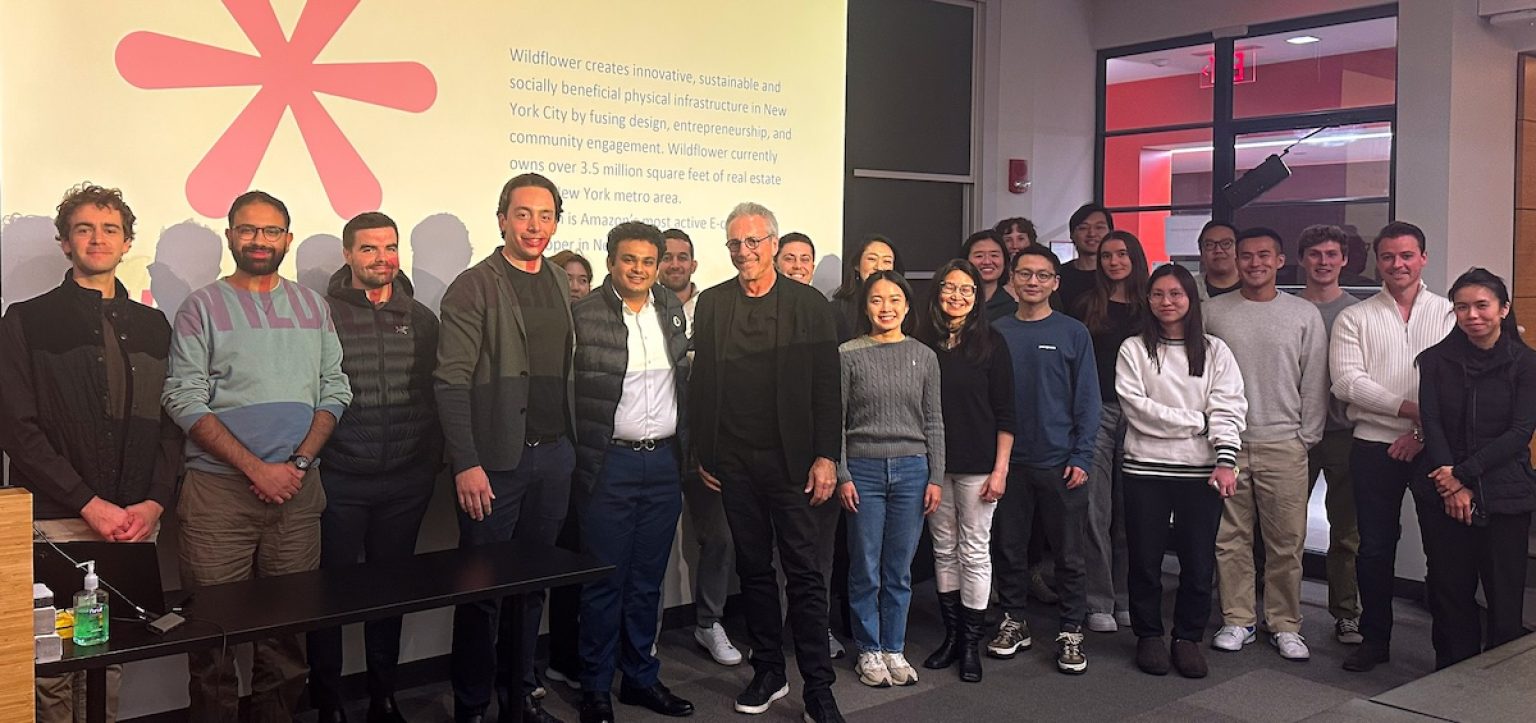
The Thought Leader session allowed students to engage Adam directly on topics ranging from trend-watching to leadership to career choices. What stood out was his willingness to share not just successes, but tough decision formation: the tradeoffs considered, the uncertainties acknowledged, and the values that ultimately guide action. This candidness offered a rare look into the mindset behind a development platform that prioritizes patience and coherence over speed.
Adam’s visit was a reminder of why conversations like this matter. Beyond strategies and frameworks, they expose how experienced practitioners think when the answers are not obvious. For the MIT real estate community, the value lay not only in what Adam has built, but in how he approaches building itself, with discipline, humility, and a deep respect for demand, design, and people.